
6.2.2026
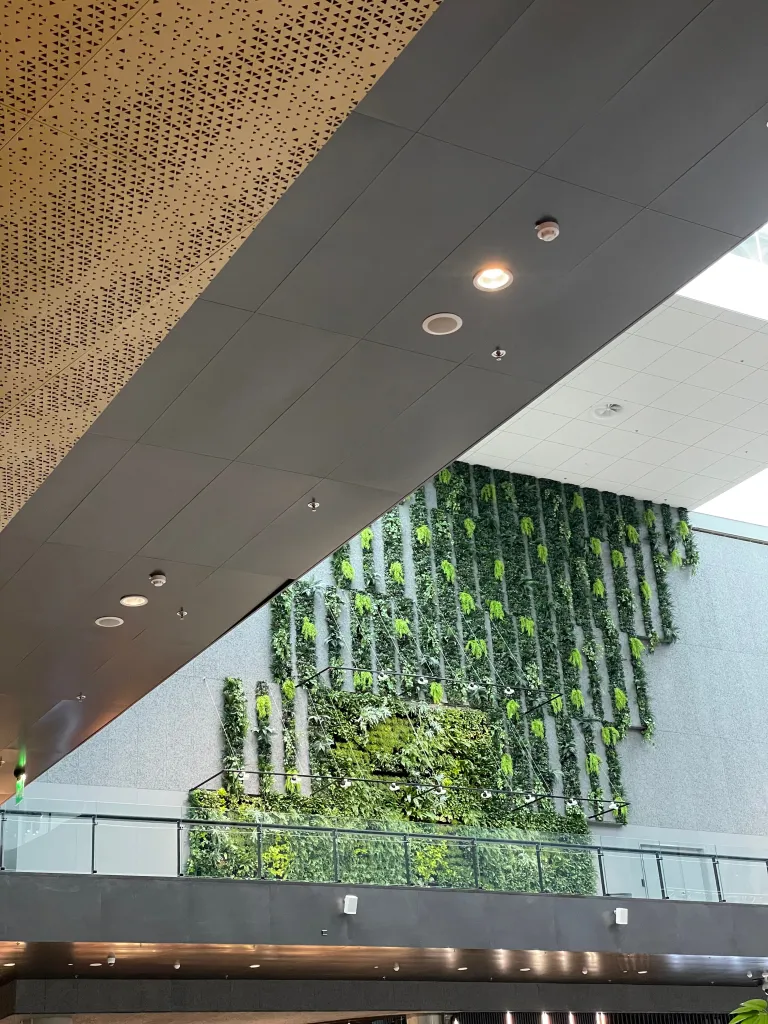
An article published in HS on 27 January 2026(https://www.hs.fi/suomi/art-2000011765184.html) about a building that is a burden on mental health has sparked a wide debate. The topic was also raised at the Arctila coffee table.
We consider it extremely important that the importance of mental health is given a more prominent and weighty role in construction. The built environment cannot just be about efficiency, numbers and business, it is made for people. Wellbeing, sensory experiences and connection with nature are also at the heart of what Arctila does, and we are happy to speak up for these.
The many factors of the building, such as its blindness, lack of access to nature, noise and constant stimuli, have a significant impact on human stress. As we spend much of our lives in the built environment, its impact on well-being cannot be ignored. If the environment is a burden, it is difficult to build sustainable public welfare.
Some of the needs and minimum requirements are controlled by regulations and guidelines, for example on accessibility or noise levels. But well-being is a complex entity. There are as many people and needs as there are users, and no single solution will burden everyone in the same way. However, studies have identified factors that have a broad impact on well-being and we believe that simply meeting the minimum requirements is not enough.
Architectural design is always about managing the whole. There are endless things to consider: regulations, plans, opinions, needs and perspectives. You always have to compromise and compromise on something. The saying “when you bow one way, you bow the other” is an apt description. A successful outcome is achieved when, within the limits and priorities, the best possible overall result is achieved. Each site will have to be prioritised, and abandonments will be made in such a way as to cause the least possible harm to the building and its intended use. The more public the building, the more users, opinions and gravel sounds. Buildings are designed not just for the wishes and needs of the client, but for everyone.
The use of a building is a key factor in determining priorities: in more commercial buildings and transport locations, maximising commercial space and market value often take centre stage, and rightly so. Higher user and traffic volumes also mean more noise and stimuli.
However, the situation is fundamentally different when we are talking about housing or school environments. These spaces are not “optional”, they are part of everyday life, daily life and the environment in which development takes place. That is why the effects of the priorities set there are longer-lasting and deeper-reaching. In recent years, the balance has tilted in some places in a worrying direction.
The debate is an excellent example of how many things we as architects have to consider at the same time. Nothing describes our work better than the constant balancing act between demands.
As far as shopping centre solutions are concerned, we do not share the view that Red’s solution is bad in itself. It successfully reconciles a huge number of limiting factors. Nevertheless, it is worth considering whether commercial buildings should also be updated in the design phase. Perhaps maximising commercial space is not directly linked to higher cash flow?
Could the starting point be the idea that people buy when they are happy? When routes are natural and spaces are easy to perceive, energy is not wasted on navigation. Natural light and the overall comfort of the premises can increase dwell time, which in turn can lead to greater purchasing behaviour?
Taking mental health into account in the built environment is extremely important. We do not believe that the aim of the debate is to pick on individual buildings, but to highlight the phenomenon, so that mental health can be brought more firmly to the planning table and included among the criteria already in the client’s needs assessment.
A thumbs up from Arctila! 👍


